Medical Education Reform Programme
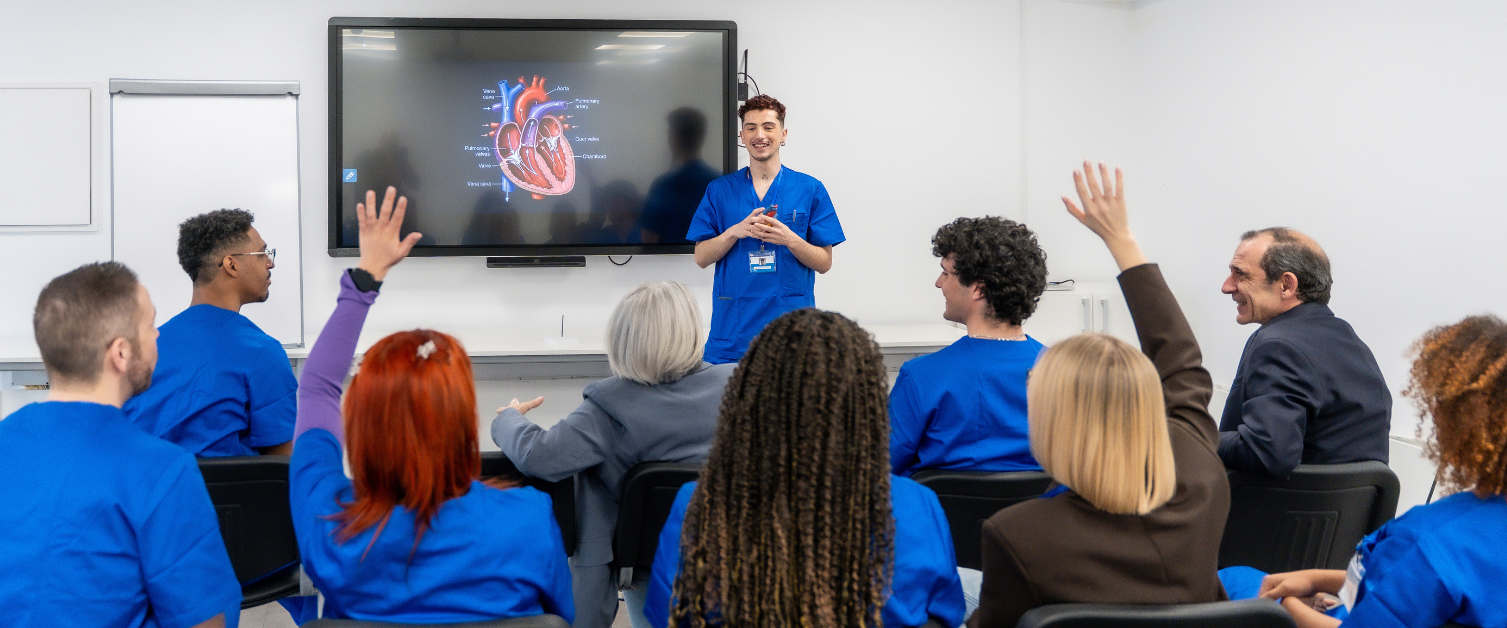
Health Education and Improvement Wales (HEIW) is leading the Medical Education Reform (MER) Programme to strengthen postgraduate medical education and training in Wales: the training doctors undertake after medical school.
Working with partners, we are reviewing how doctors are recruited, supported and trained, and how they progress through their careers. The aim is to provide high-quality training that meets doctors’ development needs and helps NHS Wales build the medical workforce needed to care for its population.
The MER Programme aligns with wider UK medical education reform while developing Welsh-led solutions to improve recruitment, training flexibility, career progression, educational infrastructure and curriculum delivery.
What we are working on
The programme has five connected areas of focus:
- Recruitment: reviewing how recruitment into medical training can support Wales’s future workforce needs.
- Transitions: identifying where doctors need better support as they move between stages of training.
- Flexibility: exploring more adaptable training opportunities to support doctors’ career development.
- Infrastructure: reviewing the learning environments, supervision and training capacity needed to support high-quality education.
- Curriculum content and delivery: exploring how training can prepare doctors for changing healthcare needs and future practice.
Progress and next steps
During 2025/26, we reviewed medical training pathways, educational infrastructure and progression routes to understand existing strengths and identify areas for improvement. We also established programme governance and oversight arrangements to guide this work.
In 2026/27, we are focusing on developing and testing priority initiatives across the five areas. Working with doctors, educators and partner organisations will help us refine proposals and plan how changes could be introduced and evaluated. Current activity includes developing and testing approaches to better support doctors at key transition points in training, while reviewing educational provision and support arrangements to identify opportunities for future curriculum development.
Working with doctors and partners
The programme is being developed with health boards, medical schools and professional bodies.
Resident doctors, trainers and educators will continue to help shape the work, drawing on their experience of medical education and training in Wales. Their involvement will help us understand what works well, where improvements are needed and how proposed changes could work in practice.