Workforce Planners encouraged to embrace digital curiosity across NHS Wales
published 12/03/2026
Colleagues and partners across NHS Wales have been urged to rethink workforce planning for a digitally driven future, with a clear message that transformation is about redesigning roles and building skills, not simply adopting new technology.
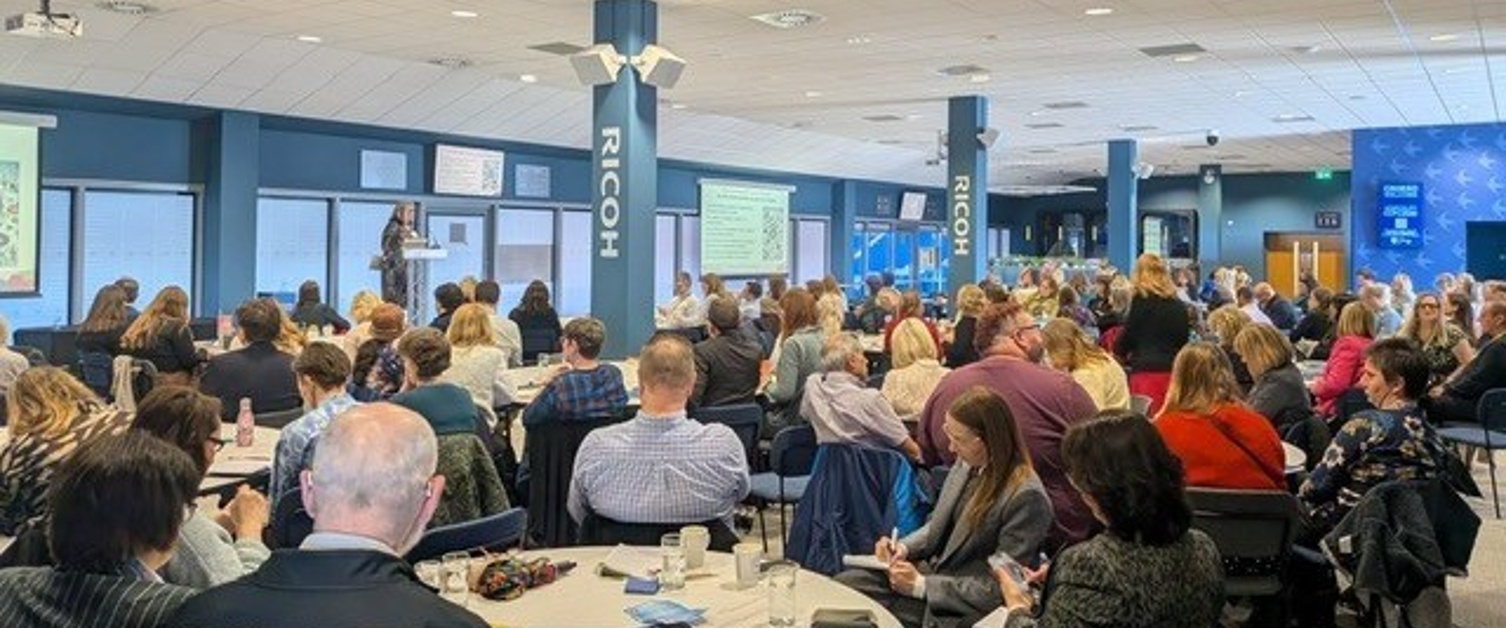
The call came during the recent Health Education and Improvement Wales’ (HEIW) Strategic Workforce Planning Conference, Workforce Planning Reimagined: Developing the Skills for a Digitally-Driven Future, which brought together colleagues and system partners to explore how artificial intelligence (AI), digital tools and data are reshaping work across the health service.
Throughout the day, speakers emphasised that digital transformation is not primarily about new systems or software, but about enabling better decisions, productivity and patient care through redesigned processes and behaviours. Participants heard that NHS Wales must move beyond traditional headcount-based models of workforce planning towards skills-based, insight-led approaches. This transition demands stronger digital skills, enhanced analytical ability, and a dedication to ethical decision-making, as digital expertise forms the foundation of workforce intelligence.
Technology commentator Andrew Grill challenged delegates to see AI as “a machine that converts data into intellectual work,” stressing the importance of “augmented intelligence” that enhances, rather than replaces, human capability. Andrew encouraged organisations to develop what he described as the “Curious Five”: curiosity, creativity, critical thinking, ethical thinking and contextual intelligence.
The conference was designed as an interactive event, incorporating facilitated discussions, voxpops and an “insights corner” to capture live reflections from attendees. Delegates shared practical experiences of building digital capability, implementing skills-based workforce planning, strengthening the use of data and analytics, and managing change at scale.
A consistent theme emerged: to be digitally curious and to start small and scale up, successful digital transformation depends on redesigning roles, investing in skills, confidence and embedding the use of insight to improve outcomes.
HEIW leaders said the discussions and challenges raised during the event will directly inform the next phase of its Strategic Workforce Planning offer. The organisation plans to sharpen its focus on skills-based approaches, enhance digital and analytical capability across the system and ensure support remains practical, evidence-informed and grounded in frontline delivery realities.
The ambition is to help NHS Wales organisations move more confidently from data to insight and from insight to action, enabling more effective workforce planning, sustainable capacity and improved outcomes for patients and staff in the years ahead. Early feedback from attendees suggested a strong appetite to build on the discussions, with delegates keen to share learning with colleagues and indicating that they intend to be much bolder when it comes to adopting and using new technology. The clear takeaway message was that collaboration, shared learning and a willingness to embrace innovation will be essential to turning insight into meaningful action across NHS Wales.