Bringing healthcare closer to home: How HEIW's Primary and Community Care Academies are supporting the future of health in Wales
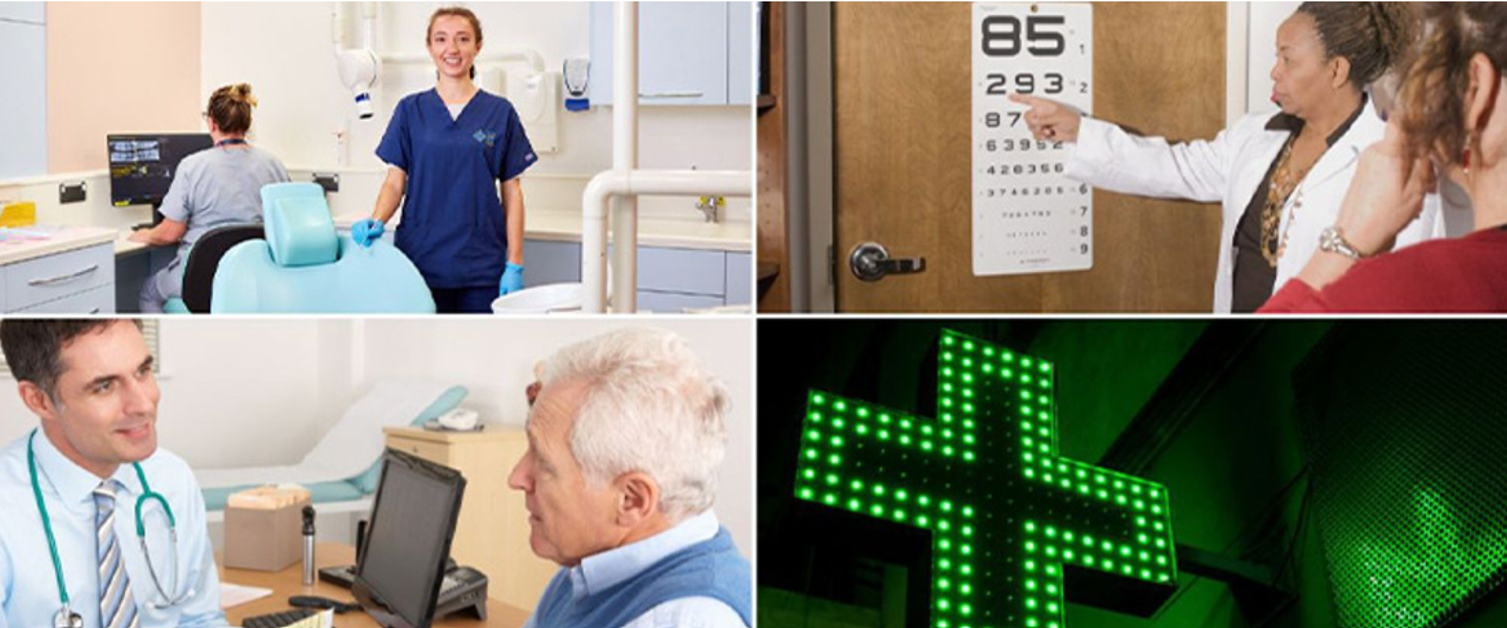
In Wales, the future of healthcare is being shaped not just in hospitals, but in the heart of our communities. With a growing focus on preventative care, integrated services and local accessibility, the need for a skilled, adaptable and well-supported workforce in primary and community care has never been greater. Health Education and Improvement Wales (HEIW) is committed to improving education, training and workforce sustainability within Primary and Community Care.
The Strategic Workforce Plan for Primary Care was developed by HEIW and the Strategic Programme for Primary Care, in collaboration with stakeholders and launched in May 2024. The plan identifies twenty-six key actions to be delivered over 5 years which align with the themes of the Health and Social Care Workforce Strategy.
Collaborating with health boards, HEIW established seven primary care academies in 2022. This builds on the existing HEIW commissioned courses and training programmes for established primary care roles.
What are the Primary and Community Care Academies?
The Primary Care Academy network is a collaborative, agile, multi-professional education and training initiative. It empowers primary care professionals through education; supports innovation; and enhances patient care across communities by developing a sustainable, future-ready workforce. Supported by HEIW and embedded within each of health board, the Academies support both local effectiveness and national consistency in education and training.
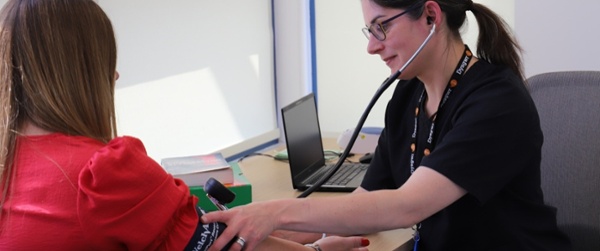
Dr Esther Lomas, HEIW Director of Multi-Professional Primary and Community Care Education & Training explains:
"Creating a learning culture is key to supporting our current and future workforce to continuously improve their skills. Learning in clinical settings allows students, trainees and experienced practitioners to reflect on and improve their skills for the immediate benefit of patients. This includes hosting placements, advanced clinical practice roles, and interprofessional learning opportunities."
Through collaboration with clusters, local practices, and national bodies, academies can align training with workforce needs. Strategic goals include improving recruitment and retention, fostering multi-professional collaboration and ensuring a competent and confident workforce ready to meet future challenges.
Why do they matter?
Drawing on her clinical experience as a GP, Dr Lomas says, “Healthcare is changing. As the population ages and long-term conditions become more common, moving toward delivering healthcare in the community close to home and away from acute hospital settings is essential. That requires a workforce that is not only clinically skilled but also familiar with the needs, cultures and challenges of the communities they serve.”
The academies are helping to:
- Make community roles more attractive by enabling visible, supported training routes from early education to advanced practice.
- Address rural and underserved areas, reducing health inequalities by encouraging professionals to train and stay in their local regions.
- Improve patient outcomes, thanks to more integrated, collaborative teams trained to deliver holistic, person-centred care.
Aligning training with real-world needs
One of the greatest strengths of the Academy model is its responsiveness to the changing needs of healthcare. Through close collaboration with primary care clusters, local practices and national organisations, the Academies support training that aligns directly with workforce requirements – today and in the future.
Strategic priorities include:
- Improving recruitment and retention
- Strengthening multi-professional collaboration
- Ensuring workforce confidence and competence in the face of new challenges
It’s a joined-up approach meaning learners and patients benefit from an education system that understands the realities of care.
Practice Management Development Programme
HEIW recognises the pivotal role that practice managers play in the smooth running of practices. These professionals are often the unsung heroes, balancing clinical operations, patient engagement, and team management – all while keeping quality of care at the forefront.
To support this vital group, HEIW is developing the Practice Management Development Programme. Working with key stakeholders across contractor groups, the programme will offer a flexible and relevant set of learning opportunities, including:
- A new competency framework for primary care management
- A range of training opportunities
- Local guidance to meet the specific needs of practice managers across Wales
This initiative is designed to equip practice management teams with the skills and confidence needed to navigate increasing demands, recruitment challenges, and long-term sustainability pressures.
Looking ahead
HEIW’s vision for primary and community care is clear: a confident, competent and collaborative workforce, fully equipped to meet the needs of communities across Wales both now and into the future.
By investing in education and development across all roles and professions, and embedding this support within real-world clinical settings, the Primary Care Academies and Practice Management Development Programme are vital steps toward that future.
To learn more or get involved, visit Primary care - HEIW